
Are Bed in a Box Mattresses Durable? What to Know
Table of Contents
- Are Bed in a Box Mattresses Durable? A Straight Answer
- How Long Do Bed-in-a-Box Mattresses Last?
- Mattress Durability by Material: Foam, Latex, and Hybrid
- Mattress in a Box Problems: What Actually Goes Wrong
- Durability Indicators You Can Check Before Buying
- How to Make a Mattress Last Longer
- Conclusion: Weighing Durability Before You Buy
- Frequently Asked Questions
Last Updated: October 12, 2026
Are Bed in a Box Mattresses Durable? A Straight Answer
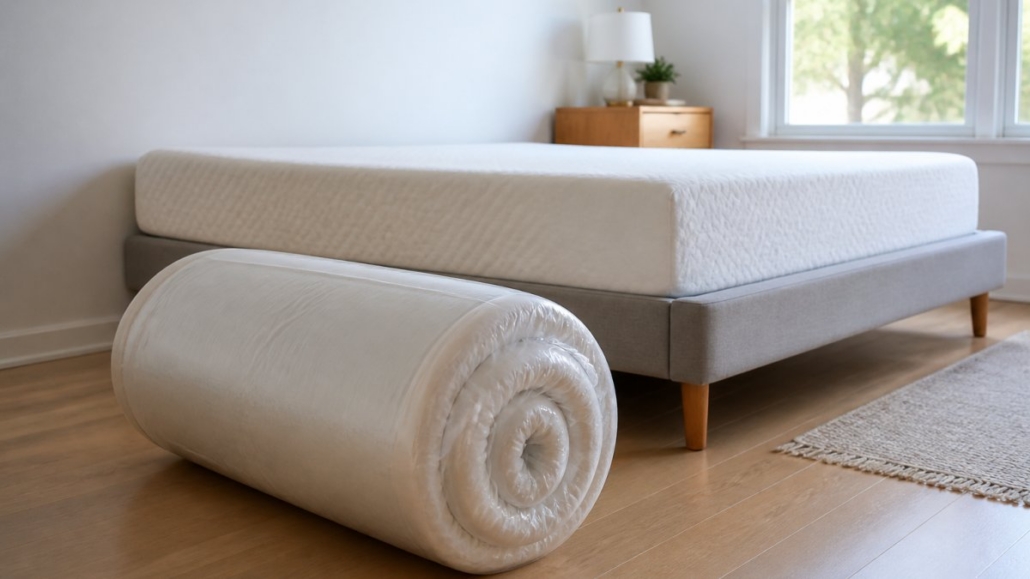
Yes, a well-made bed in a box can be just as durable as a traditional mattress, because compression for shipping does not change the foam, coils, or latex inside it. At Real Mattress Reviews, we have spent nearly a decade running mattress stores and building a library of over 300 video reviews, and the durability question comes up more than any other. What determines how long a boxed mattress lasts is construction and materials, not the fact that it arrived rolled up in a carton. Below, we break down realistic lifespans, the warning signs of early wear, and how to get more years out of any mattress.
Shipping compression is temporary. Foam density, coil gauge, and support-layer construction are what actually decide whether a bed in a box holds up for years or sags within months.
Our top Online Mattress Choices for Durability
How Long Do Bed-in-a-Box Mattresses Last?
Most quality bed-in-a-box mattresses last seven to ten years, with budget models often showing wear in five to six years and premium foam or hybrid builds reaching ten or more. A common mistake is judging lifespan by price alone. A cheap mattress with low-density foam can sag in a couple of years, while a well-built hybrid at a mid-range price can outlast it by a wide margin. The Better Sleep Council guidance on mattress care and replacement offers useful context on when replacement makes sense.
Lifespan by Construction Type
| Construction | Typical Lifespan | Main Weak Point |
|---|---|---|
| All-foam (memory foam) | 6-8 years | Low-density foam softening |
| Latex | 8-12 years | Rare; latex holds shape well |
| Hybrid (foam + coils) | 7-10 years | Weak edge support or thin coils |
| Budget all-foam | 4-6 years | Body impressions and sagging |
These ranges assume a supportive foundation, a mattress protector, and routine rotation. Skip those, and even a sturdy hybrid can lose years.
Mattress Durability by Material: Foam, Latex, and Hybrid
Material choice drives durability more than any marketing claim. Memory foam feels plush but softens over time, latex resists sagging and holds its shape, and hybrids pair foam comfort layers with innerspring coils for support that lasts. Understanding each material helps you predict how a mattress will age.
Foam Density: The Number That Predicts Wear
Foam density, measured in pounds per cubic foot, is the single best predictor of how a foam mattress wears. Higher-density foam resists compression and body impressions; low-density foam breaks down faster under repeated pressure. When you shop, look for the density spec, not just the feel. A mattress that feels firm in the showroom can still sag if the foam underneath is cheap.
Buying a bed in a box without checking foam density is the most common durability mistake. A soft, low-density comfort layer can develop a permanent body impression within a year, and that sag is usually not covered by warranty.
Mattress in a Box Problems: What Actually Goes Wrong
The real problems with mattress in a box products are rarely about shipping. They are about construction shortcuts, weak support cores, and comfort layers that break down under daily use. Compression itself is safe for quality materials; the issues show up when manufacturers cut corners to hit a low price.
Common mattress in a box problems include:
- Sagging and body impressions from low-density foam
- Weak edge support, so the sides collapse when you sit on them
- Softening comfort layers that lose their bounce within a year or two
- A too-thin support core that cannot hold up heavier sleepers
Weight, sleeping position, and foundation all affect how fast these problems appear. A heavier sleeper puts more stress on foam and coils, stomach and back sleepers concentrate pressure in specific zones, and a sagging or unsupportive bed frame accelerates wear across the whole mattress.
Durability Indicators You Can Check Before Buying
You can judge durability before you buy by checking a few objective specs rather than trusting a showroom feel. The trick is knowing which numbers matter and what counts as a strong result. Below is how to read each indicator, plus a checklist you can run against any product page.
Foam density
Foam density is measured in pounds per cubic foot (PCF), and it is the single best predictor of how a foam layer will age. As a general rule, support cores in the 1.8 to 2.5 PCF range hold up better than cores under 1.5 PCF, and comfort layers under 3 PCF tend to soften faster. If a brand does not publish density, treat that as a warning sign, reputable makers list it.
Coil gauge and count
For hybrids, coil gauge tells you wire thickness: lower numbers mean thicker wire. A gauge in the 13 to 15 range is common in durable hybrids, while very thin wire (higher gauge) flexes and fatigues sooner. Coil count matters too, but only alongside gauge and coil height, a high count of thin coils is not automatically better than a moderate count of thicker ones.
Support core thickness
A thicker support core distributes load better and resists bottoming out. All-foam beds with a thin base layer tend to sag faster under heavier sleepers, while hybrids with a taller coil unit generally hold their shape longer. Match core thickness to body weight: heavier sleepers benefit from more support material.
Edge support
Sit on the edge of the bed. If it collapses more than an inch or two, the perimeter is underbuilt, and that weakness usually spreads inward over time. Strong edge support, often from reinforced coils or a firmer perimeter foam, keeps the sleep surface from developing a bowl shape.
Material quality and layer construction
Look at how many layers sit between you and the support core. A thin comfort layer over a firm base can feel fine at first but break down quickly. Quality latex, high-density memory foam, and pocketed coils are all signals of a build designed to last.
Warranty length and coverage
A longer warranty is not a guarantee of durability, but a short one (under 10 years) often signals the maker expects faster wear. Read what is covered: most warranties exclude normal softening and require a visible sag depth, often around 1 to 1.5 inches, before they will act.
Checklist before you buy:
- Foam density listed at 1.8 PCF or higher for support cores
- Coil gauge in the 13 to 15 range for hybrids
- Support core thick enough for your body weight
- Edge support that resists collapsing when you sit on it
- Warranty length of 10 years or more, with clear coverage terms
- Trial period and return policy terms in writing
- Foundation or bed frame requirements stated by the maker
For broader context on sleep health and mattress quality, the CDC sleep and health resources are a helpful starting point.
Warranty Exclusions and How to Document a Claim
Most mattress warranties cover manufacturing defects, not normal softening or comfort preference changes. That distinction is where most claims fail, so it pays to understand the terms before you need them.
Common exclusions include:
- Normal softening or body impressions below the stated sag threshold
- Damage from an unsupportive foundation or bed frame
- Stains or soiling that void the warranty
- Comfort preference changes (the bed is simply too firm or too soft)
To protect a claim, keep your receipt, note the purchase date, use a supportive foundation, and photograph any sagging with a straight edge across the surface. Measure the deepest point of the impression and compare it to the warranty threshold, which is often around 1 to 1.5 inches. Document everything in writing before you contact the retailer, and keep a copy of your correspondence.
A warranty will not cover a mattress that sagged because it sat on a weak or bowed frame. Check your foundation before you file, because that is one of the first things a manufacturer will ask about.
How to Make a Mattress Last Longer
A few habits add years to any boxed mattress, and most of them work by protecting the comfort layers and support structure that decide how long the bed stays comfortable. Here is what to do, why it works, and how to respond when you spot early wear.
Rotate the mattress head-to-foot
Rotating every few months spreads your body weight across a wider area, so no single zone takes all the compression. This is especially important for all-foam beds, which do not have coils to redistribute load. Set a reminder for every three to six months.
Use a waterproof mattress protector
Sweat, spills, and body oils break down foam and stain fabric, and stains can void a warranty. A waterproof protector blocks moisture at the surface and is far cheaper than replacing a mattress early.
Keep the foundation supportive
A sagging or bowed bed frame accelerates wear across the whole mattress. Slatted frames should have slats no more than a few inches apart, and box foundations should be structurally sound. Check the maker’s foundation requirements, using the wrong base is a common reason warranties get denied.
Clean gently
Vacuum the surface and spot-clean with mild soap and water. Avoid harsh chemicals and excess moisture, which can degrade foam and adhesives.
Avoid jumping or standing on the mattress
Concentrated point loads stress the foam and coils far more than normal sleeping pressure, and they are a fast route to permanent impressions.
Let it fully expand after unboxing
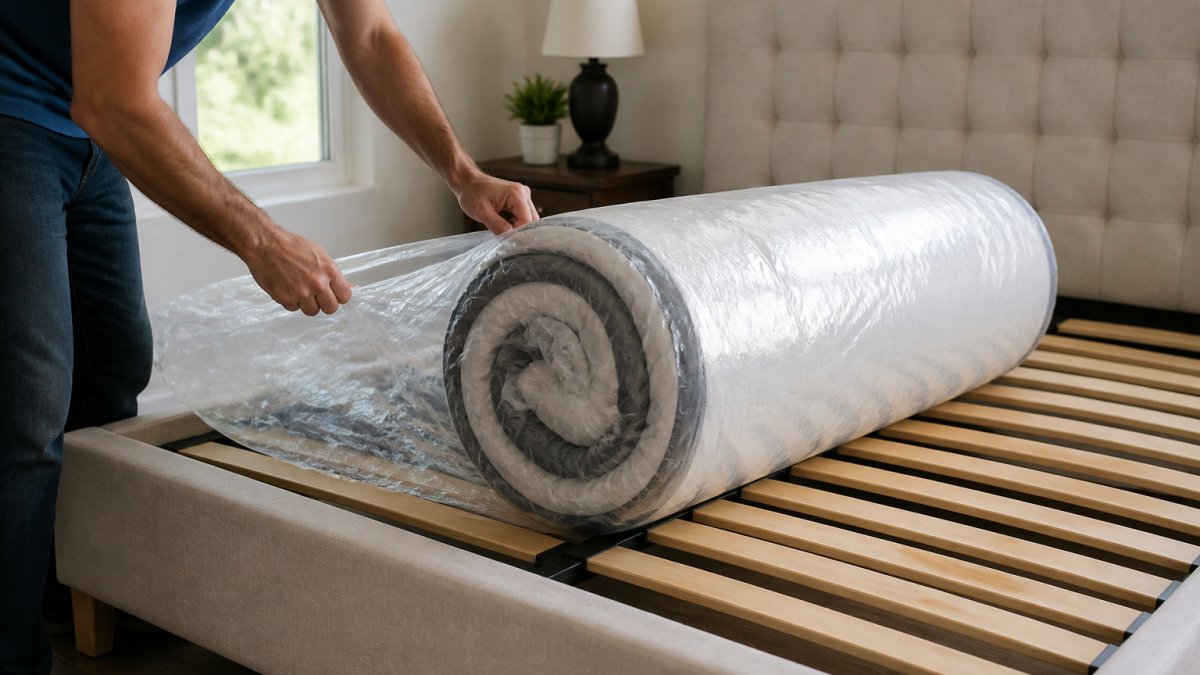
Give a new bed-in-a-box the full expansion window the maker recommends, often 24 to 72 hours, before regular use. Using it too soon can compress layers before they recover.
How to identify and respond to early sagging
Early sagging is easier to fix than late sagging. Watch for visible body impressions, a loss of support in your usual sleeping position, or a noticeable dip when you lie down. To measure, lay a straight edge across the surface and measure the deepest point of the impression with a ruler.
If the sag meets your warranty threshold, often around 1 to 1.5 inches, document it with photos and a written description, then contact the seller or manufacturer.
Our sleep product safety and care guidance from the CPSC can help you handle any product concerns responsibly.
Conclusion: Weighing Durability Before You Buy
Durability is not a mystery you have to gamble on. Check the foam density, support core, and warranty before you commit, then care for the mattress so it delivers its full lifespan. If you want help comparing specific models, reading real reviews, and finding mattresses built to last, Real Mattress Reviews offers detailed video reviews and exclusive coupon codes to guide your decision. Get started with Real Mattress Reviews and choose a bed in a box you can trust for years.
Frequently Asked Questions
Does compressing a mattress in a box affect its durability?
Compression itself does not shorten a mattress’s life when it is done correctly. Manufacturers roll and vacuum-seal mattresses for shipping, and the materials return to their original shape within hours to days after unboxing. The durability of a bed in a box depends on foam density, coil gauge, and overall construction quality, not the shipping method. A low-density foam mattress will sag whether it arrives compressed or flat.
Do bed-in-a-box mattresses sag over time?
They can, just like traditional mattresses. Sagging usually comes from low-density comfort foams breaking down or from a weak foundation that does not support the mattress evenly. Higher-density foams (2.5 lb/ft³ or more for memory foam) and sturdy coil systems resist body impressions better. Rotating the mattress every few months and using a rigid bed frame also reduce the chance of early sagging.
What are the drawbacks of a mattress in a box?
Common mattress in a box problems include a break-in period where the mattress feels firmer than expected, a slight off-gassing smell for the first few days, and limited ability to try the mattress in a store before buying. Some shoppers also find that cheaper models use low-density foams that sag within a few years. A generous trial period and a clear warranty help offset these risks.
How can you make a bed-in-a-box mattress last longer?
Use a supportive foundation or adjustable base that matches the mattress type, rotate the mattress head-to-foot every three to six months, and put a waterproof protector on it to keep sweat and spills out of the foam. Avoid jumping on the bed and keep heavy pets off if the cover is thin. These habits can add years to how long a bed-in-a-box mattress lasts.


Leave a Reply
Want to join the discussion?Feel free to contribute!